About
You didn't lose your way. You ran out of map.
Maybe it happened all at once. A diagnosis, a departure, a door that closed. Or maybe it arrived slowly, imperceptibly, the way the tide comes in. The job that used to fit doesn't anymore. The house is quieter than you know what to do with.
The version of yourself who’s been running on autopilot suddenly needs a decision you don't have ready.
Whatever has happened, you're standing in territory your old maps don't cover. That's not a breakdown. It's a navigation problem, and navigation problems can be solved.
That's what I build with women here.

What we actually do
Therapy works backward through what happened, and it does that well. Coaching that hands you someone else's ready made plan works for some people,; it may not fit the ground you’re standing on.
Neither is built for what you're facing, which isn't a past to be excavated or a formula to be applied off the shelf. It's your terrain, and the only durable navigational tool is a compass, the one you build yourself, from your own values, calibrated by you
That's the Compass Method. It runs on a simple sequence - See It, Name It, Strategize Around It — based on educational theorist Paulo Freire's work on problem-posing: naming your situation clearly enough that it stops running you before you strategize around it.
Sessions are structured inquiry. We talk, in real depth, about where you are and where you want to go. I ask questions, you answer, and the answers are yours to keep. That's deliberate. Adults don't build lasting change from being told what to do; we build it from working through what's true for us until it holds. (Malcolm Knowles literally wrote the book on the study of how adults actually learn, as distinct from how children do, referred to as andragogy.)
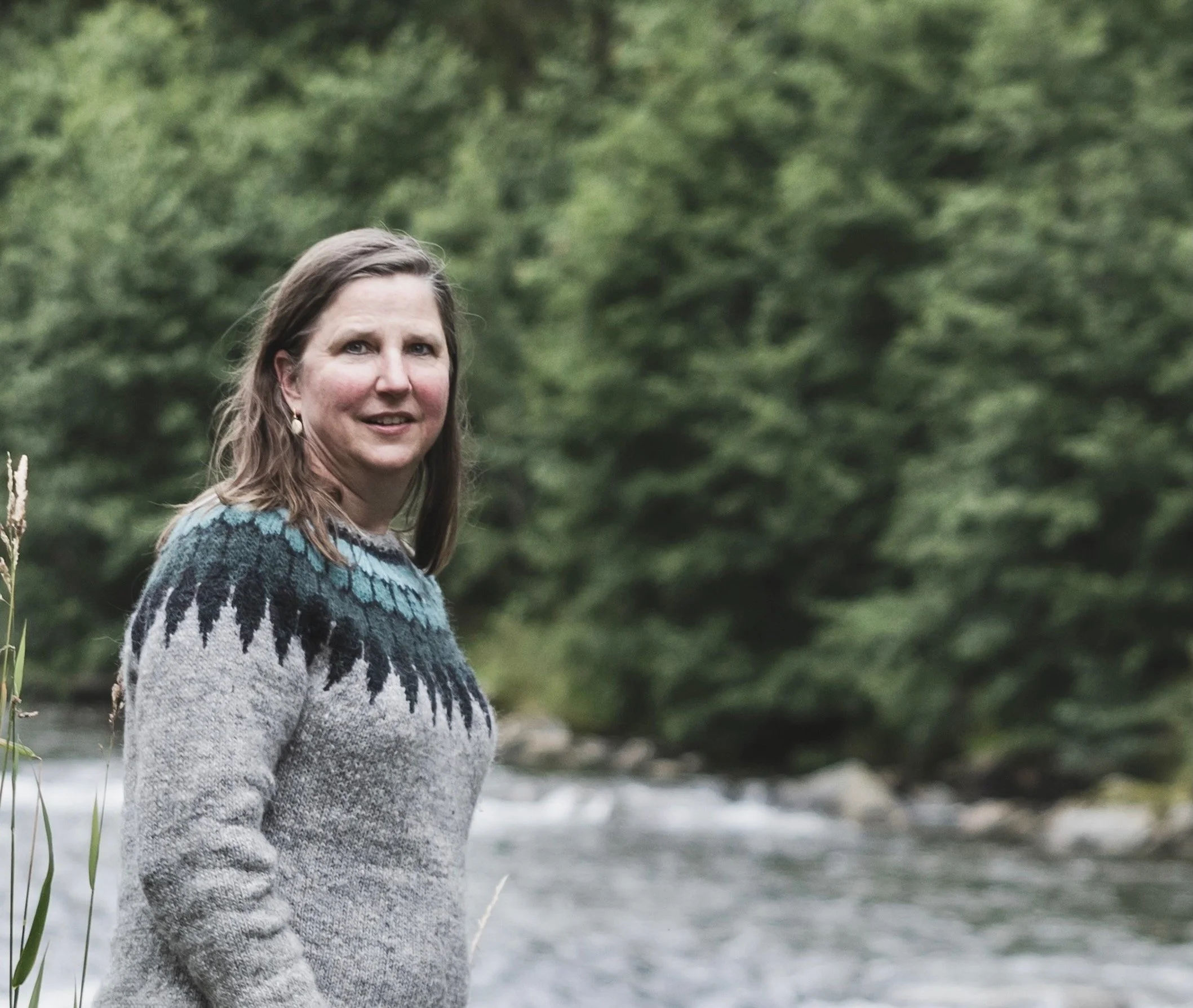
Who's asking the questions
I've stood in this territory myself, more than once.
Things I hadn’t planned for: death of my father at 24, a cross-country move, divorce, non-traditional student as a single mother running my own business, caring my mother through the end of her life at 40. An overwhelming amount of change, but I rebuilt myself again and again.
Less than a decade later I had done everything the plan said would work. A degree. A career I loved and poured my heart into 50 to 60 hours a week. A smart, engaged teenager. A new relationship, good friends, a household mostly under control.
Then my body started inexplicably failing after years of doing “the right things”. I was diagnosed with hypothyroidism, given medication and sent on my way.
What I remember most is the lag. I was constantly a step behind in my own life, trying to catch up mentally and then physically to terrain that kept changing, never still long enough to work out where I was.
If you are living in that lag right now, you know it1s not laziness, weakness or lack of willpower to just push through.
I didn’t stumble into what came next. I built a multi-year plan with real mileposts, and I tested it out with an actual scouting trip before I committed to anything - which is how an American ended up in Norway in midlife. Not by accident. By the same method I’d use with you.
I've spent years working with adult learners in community, adult, and higher education. The same thing happens again and again: adults change their lives not when someone hands them a plan, but when they recognize what actually matters to them, name it, and move deliberately in that direction. What I’ve also seen is how hard that is to do alone. That is why I decided to become a coach. You can do this by yourself. Many women do. It’s just faster with company, and a good deal less lonely.
I’d lived in the Pacific Northwest and thought I knew a thing or two about being outside in the forest and mountains, but once I was living here, I learned what friluftsliv actually is. It’s the Norwegian relationship to time spent outdoors, treated as essential and ordinary rather than aspirational. Research on attention restoration and stress reduction has confirmed what generations of Norwegians already knew: time in nature changes what your nervous system can access. It’s part of how I work now because a depleted nervous system cannot make a good decision, and most of the women I meet are trying to do just that in a world constantly demanding our attention be elsewhere.
I bring all of it to this work. A Master's in Adult Education. Certified life coach training. A lifetime of pushing my body until it forced me to stop and really listen.
My job is helping you build the instrument you’ll actually navigate by to your next destination. The route is yours to walk.
If this is your terrain
The Compass Method is a structured 1:1 engagement: real inquiry, real strategy, not affirmations. If you're in territory your old maps don't cover, let's talk about what a new one could look like.